Skull Mask in Ocarina of Time: Trade, Effects, and Secret Rewards
Nov-11-2026
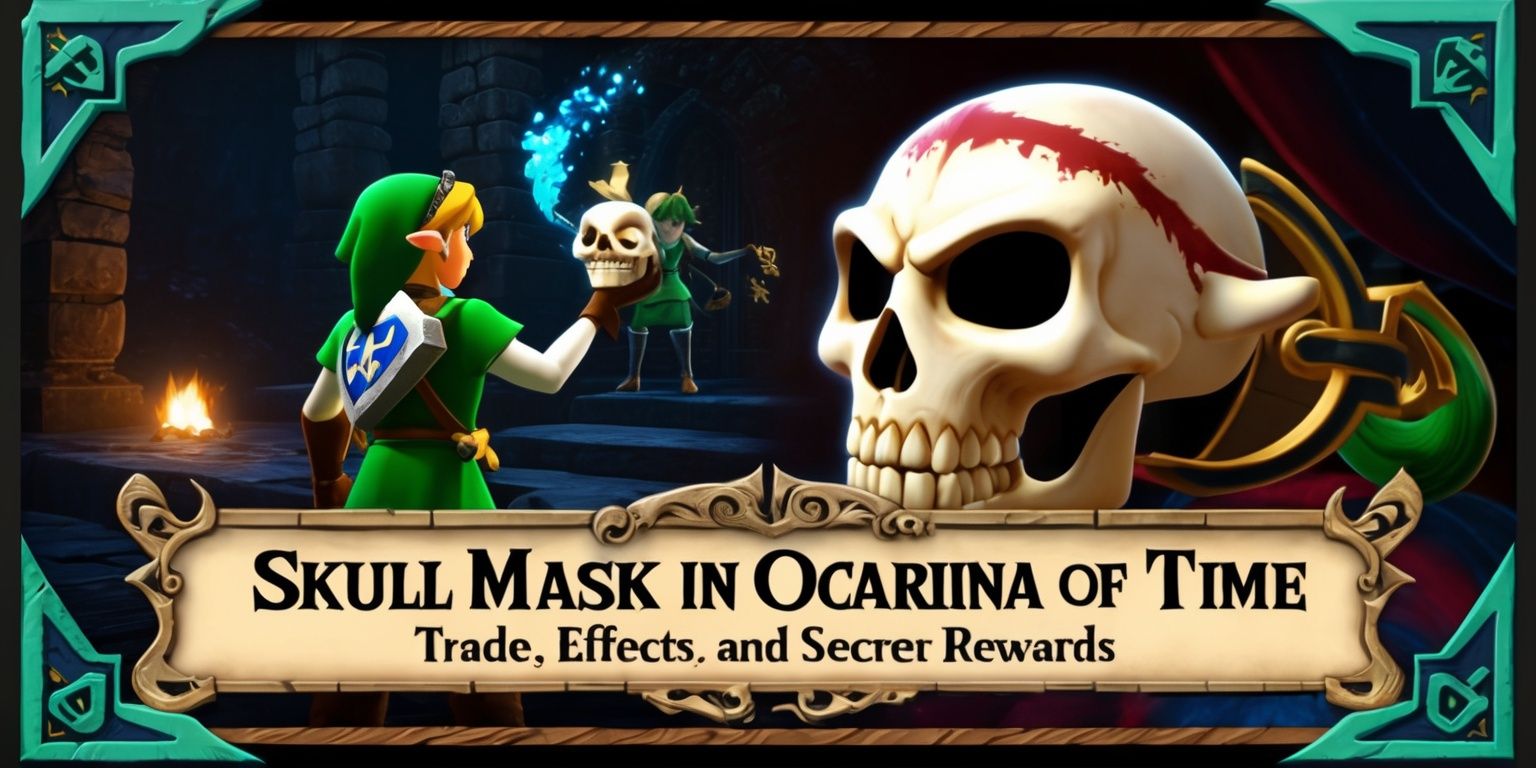
Within The Legend of Zelda: Ocarina of Time, the Skull Mask is one of those odd little quest items that feels amusing at first and then becomes unexpectedly useful later on. At a glance, it is a strange accessory that changes how people react to Link, but it is also connected to one of the game’s clever trading chains and a hidden reward. What begins as a simple errand in Hyrule Castle Town soon turns into a small journey across familiar regions, with each step nudging the player toward a larger payoff. The mask may not look valuable when you first receive it, but its true worth comes from knowing where to bring it, how to use it, and what quiet advantages it offers along the way.
Starting the Mask Trade at the Happy Mask Shop
The Skull Mask does not appear right away. It becomes available only after the Mask trading sequence has been set in motion and the Keaton Mask has already been delivered to its first buyer. Once that condition is met, the Happy Mask Shop owner in Hyrule Castle Town introduces the Skull Mask as the next item in the lineup. This step matters because the entire mask side quest works like a chain of linked transactions, each one unlocking the next. The shopkeeper presents the Skull Mask with a listed price of 20 Rupees, making it feel like a small business assignment rather than a major adventure. Even so, the mask is more than a simple merchandise item, since wearing it unlocks new interactions and special reactions from specific characters in the world.
Understanding the Mask’s Place in the Quest Chain
The Skull Mask fits into a larger system that encourages players to pay attention to how Hyrule’s inhabitants respond to unusual items. Rather than serving as a passive collectible, it is tied to progression within the Mask quest, and that gives it purpose beyond appearance. Each sale in the chain creates a sense of momentum, with the player moving from one customer to another while learning how different regions and characters connect. The Skull Mask is early enough in the sequence to feel approachable, yet it also sets the pattern for the later masks that follow. Because the trade involves both a buyer and a return visit to the Happy Mask Shop, it teaches the player that the loop is not solely about making money, but also about building trust with the shopkeeper and continuing the line of exchanges.
Finding the Right Buyer in the Lost Woods
The clue to the Skull Mask’s buyer lies in its design and name. The most interested purchaser is the Skull Kid, who can be found in the Lost Woods. To reach him, Link must enter the Lost Woods from Kokiri Forest and follow the passage through the first tree trunk on the left. This area stands out as one of the game’s most unforgettable environments, with winding paths and playful navigation that rewards familiarity. When the proper route is taken, the player arrives at a clearing where the Skull Kid stands atop a large stump. A small stump in front of him provides the perfect spot to stand while wearing the mask. The setup feels like a secret meeting place, and the game expects the player to notice the connection between mask, character, and woodland atmosphere.
The Moment the Skull Kid Notices You
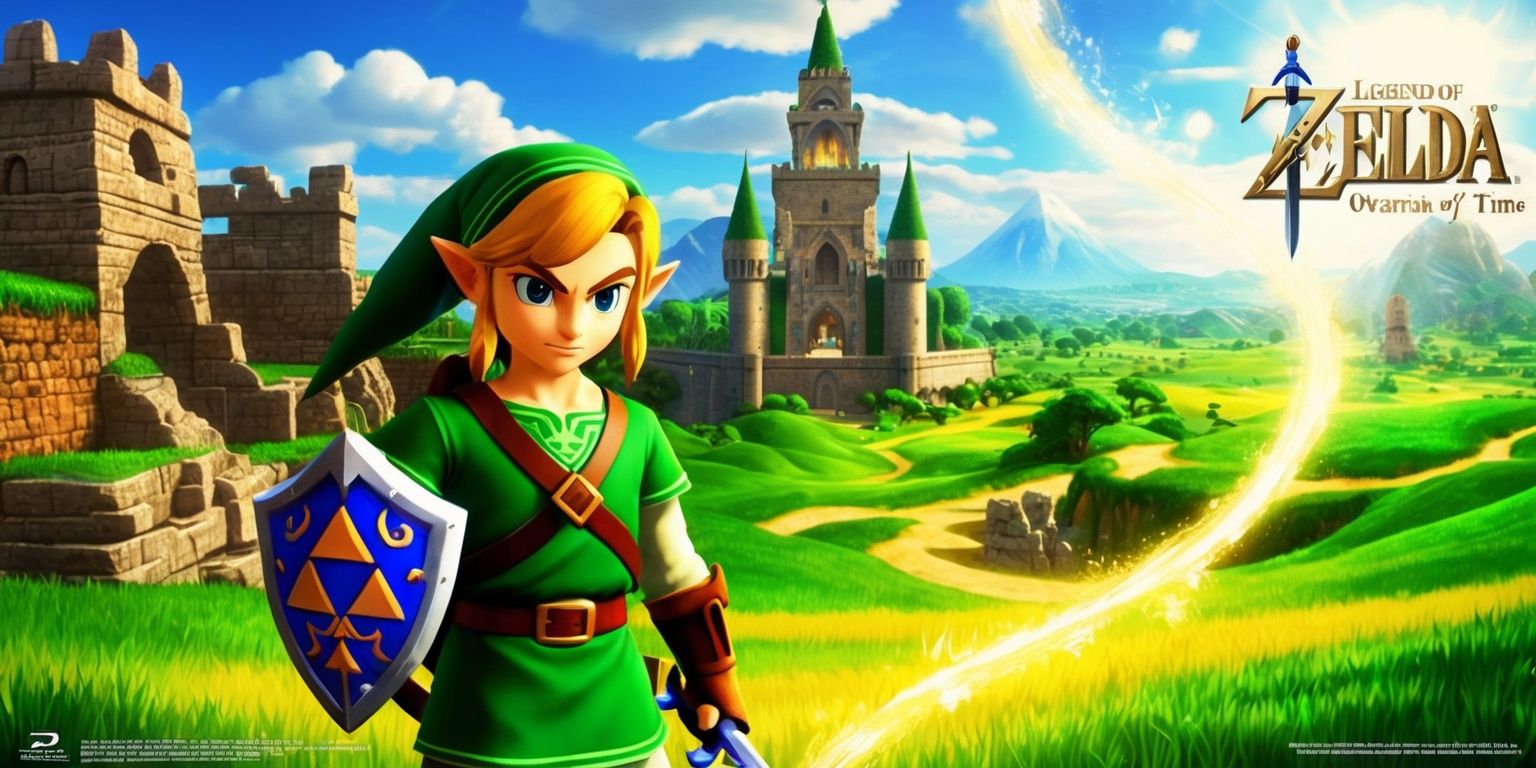
Once Link is positioned correctly and wearing the Skull Mask, the Skull Kid reacts in a way that makes the exchange feel personal. He approaches out of curiosity and decides that the mask is something he wants to buy. This is one of the simple but memorable moments in Ocarina of Time, because the game turns an ordinary item handoff into a tiny character scene. There is no need for elaborate explanation or complicated mechanics. The visual cue of standing on the stump, combined with the mask itself, signals the right behavior. The Skull Kid’s interest also reinforces how masks can change the way people perceive Link, since they often trigger responses that would not happen if he were unmasked. The interaction feels playful, a little eerie, and completely in tune with the Lost Woods.
What the Sale Pays and Why It Matters
The Skull Kid buys the mask for 10 Rupees, which is less than the 20 Rupees the Happy Mask Shop expects from Link afterward. On paper, that means the player loses 10 Rupees in the immediate transaction. That might sound like a poor bargain, but the game is clearly not presenting the exchange as a standard profit-making venture. Instead, it functions as a step in a broader chain of rewards. The loss is temporary and is eventually balanced out as the quest continues. This design choice gives the trade a bit of personality, since it mirrors the idea of taking a small risk in order to unlock something better later. The player is nudged to think beyond instant gain and focus on what the completed sequence can unlock.
Returning to the Shopkeeper for the Next Mask
After the Skull Mask is sold, the next task is to visit the Happy Mask Shopkeeper again and hand over 20 Rupees. This payment restores the money balance from the earlier sale and opens access to the Spooky Mask. The structure of the exchange is neat and deliberate, because it creates a rhythm of fetch, sell, return, and advance. It also gives the mask quest a sense of continuity. Rather than letting the player keep the Skull Mask forever, the game repurposes it into a loaned item that can be borrowed again later. That design keeps the mask relevant after the sale and ensures it still has practical uses. The end result is a quest item that behaves less like a collectible and more like a tool with multiple purposes embedded in the adventure.
Borrowing the Mask Again as Child or Adult Link
Once the Skull Mask has been sold, it becomes available through the Happy Mask Shop whenever Link needs it again. This works for both Child Link and Adult Link, which makes the item unusually flexible compared with many other quest rewards. That accessibility matters because the game worlds around the mask continue to evolve as Link grows older. Being able to retrieve it in either form means the item does not become obsolete after the quest step is completed. Instead, it remains part of Link’s broader collection of tools and disguises. The borrowing system also gives the player room to revisit old areas and squeeze extra value from a single item. In a game built around exploration, having reusable equipment like this keeps side content connected to the larger adventure.
The Forest Stage and the Deku Scrub Reaction
One of the Skull Mask’s most distinctive features appears at the Forest Stage in the Lost Woods. This hidden location can be reached through a Secret Grotto located in the meadow area near the entrance to Sacred Grove. Once there, Link can stand on the tree stump while wearing the Skull Mask and present himself to the local Deku Scrubs. Their reaction is not hostile. Instead, they are impressed by the look of the mask, which is a nice example of how the game uses costume-based recognition as a reward mechanic. After showing off the mask, Link can speak to the Business Scrub in the area and earn the Biggest Deku Sticks bag upgrade. The sequence feels like a quiet secret hidden inside a secret, rewarding curiosity and observation.
How the Mask Changes Enemy Behavior
Beyond its special event use, the Skull Mask also affects certain enemies in a practical way. While Link wears it, Keese and Guay will not attack him. That might seem like a modest benefit, but it can be especially helpful when moving through areas where those flying creatures appear in groups or interrupt movement. The game does not turn the mask into a combat powerhouse, but it does create a subtle layer of safety that can make travel less annoying. This kind of functionality is part of what makes Ocarina of Time’s item design so memorable. Even something that begins as a joke or fashion choice can quietly alter how the world behaves around Link, giving the player more reasons to think about what he is wearing at any given moment.
The Aesthetic Appeal of Wearing the Mask
The Skull Mask has a strong visual identity that fits the tone of its location-based uses. Its appearance is unsettling enough to stand out, but not so intense that it seems disconnected from the game’s brighter, more whimsical elements. That balance makes it useful in scenes where the world responds to strange or mysterious objects. In the Lost Woods especially, the mask feels right at home because the environment already carries a dreamlike quality. The design also supports the social part of the quest, since its look is immediately recognizable and clearly different from the more heroic gear Link normally wears. Instead of armor or weaponry, the mask functions as a character accessory that changes the mood of a scene simply by being equipped.
The Player’s Route Through the Quest
The Skull Mask quest step is small, but it sits inside a larger map-based journey that makes use of Hyrule Castle Town, Kokiri Forest, the Lost Woods, and the hidden Forest Stage. That variety gives the item geographic weight and prevents the trade from feeling isolated. The player has to move between social spaces, woodland mazes, and secret encounter areas, which keeps the activity from becoming repetitive. Because the mask begins in a shop and ends with a special upgrade, it also demonstrates how the game uses errands to connect commerce, exploration, and reward. The route is straightforward once known, but the first time through it still feels like a scavenger hunt with personality. Each location adds a different flavor to the process, from urban bustle to forest mystery.
Why This Small Item Stays Memorable
The Skull Mask stands out because it does more than one job and does them in different parts of the adventure. It can be traded, borrowed, displayed, and worn for practical protection. It also creates a sense of social feedback, since characters around Hyrule react to it in specific ways. That combination makes the mask feel as though it were a fragment of the world instead of just an inventory entry. Its connection to the Skull Kid gives it a natural home in the Lost Woods, while its hidden bonus at the Forest Stage gives it a second life after the sale. Even the temporary financial disadvantage of selling it for less than its listed value becomes part of the experience, because the larger quest structure eventually rewards patience and exploration.