Gaming's Crossroads: Redefining Hardware, Software, and Ecosystems
Jan-11-2026
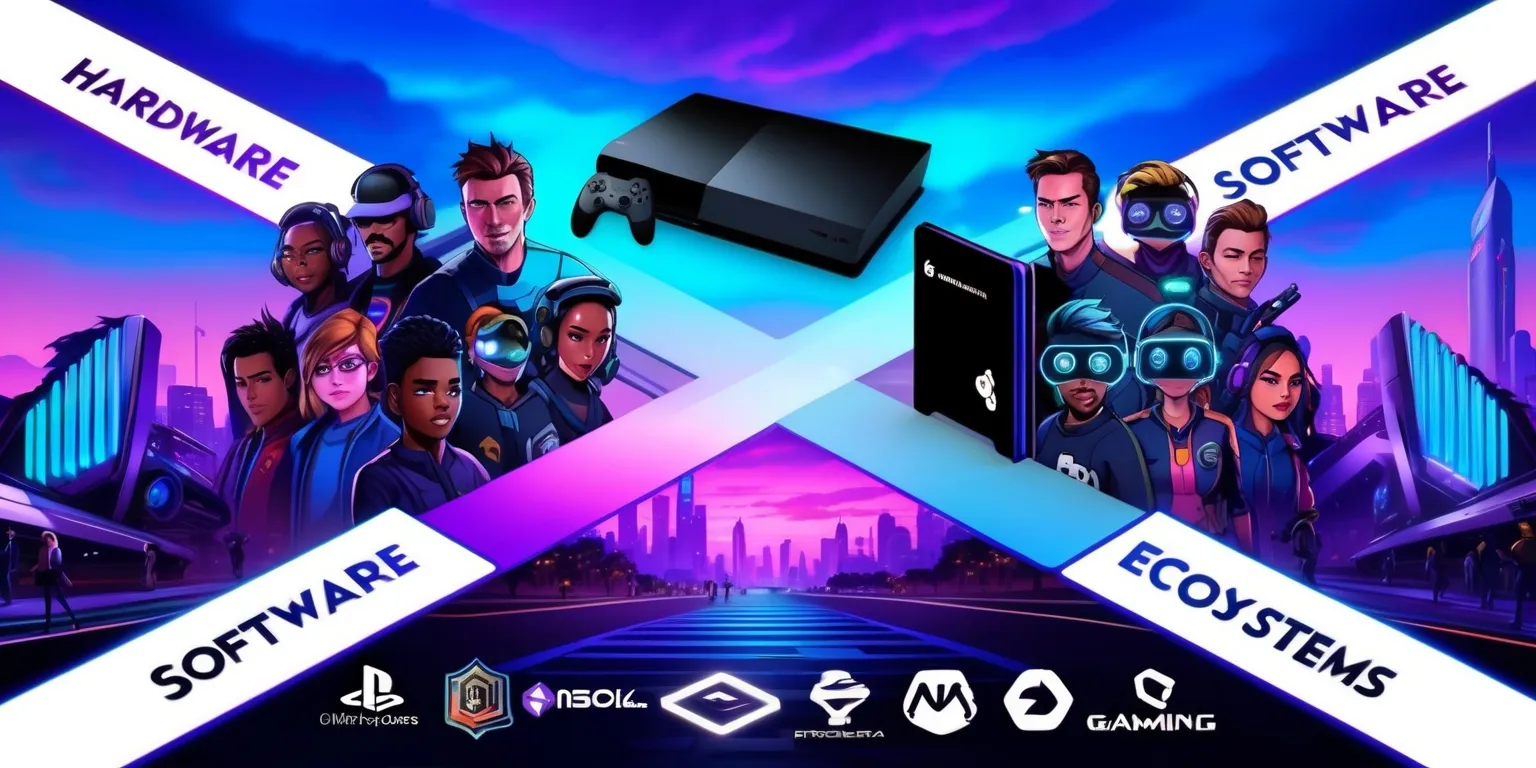
Recent discussions among industry experts have sparked a lively debate about the future direction of a leading gaming powerhouse. The conversation pivots around the possibility that the company may reconsider its long-held commitment to traditional console manufacturing. Influential voices in gaming, with hands-on experience from legacy hardware makers, note similarities with past strategic pivots in the industry. The discussion touches on evolving technological demands, shifting business paradigms, and the drive toward emphasizing software and game ecosystems. As transformations sweep through the gaming sector, stakeholders are comparing current hardware setups to previous landmark systems that once defined an era. This comparison draws not only on technical specifics but extends to the overall impact on gameplay, aesthetics, and user experience.
Gaming Industry Crossroads
The conversation in the gaming world is reminiscent of turning points seen during earlier eras. Experts have observed that the current situation brings to mind classic moments when companies redefined themselves by pivoting away from traditional hardware. They stress that the approach taken by a major gaming brand echoes past instances where strategic choices led to a significant reshaping of product lines and market presence. This shift is viewed as a crossroads, with the company weighing whether to continue investing in physical devices or to realign its focus on the gaming content and software side of things. The debate revolves around the need for a fresh and compelling hardware proposition, one that not only captures gamers' imaginations but also translates into tangible advancements in both functionality and design.
Strategic Parallels with Gaming Legends
Industry veterans point to historical parallels when discussing present decision-making strategies. Drawing comparisons with the experiences of legacy brands that once dominated the console market, they highlight moments when traditional hardware was abandoned in favor of a more expansive alternative digital focus. The analogy to previous well-known systems becomes evident when analyzing current trends. This commentary reflects a deep understanding of the cyclical nature of the gaming ecosystem, where past models inform future financial and strategic decisions. By revisiting these historical reference points, thought leaders aim to stimulate a conversation that goes beyond hardware sales, emphasizing the importance of game quality, enhanced connectivity, and innovative user interfaces. The underlying message is that evolution in technology must be balanced with an uncompromising focus on the player experience.
Hardware Evolution and Future Prospects
Advancements in device architecture and innovative hardware collaborations have spurred discussions about where the company stands for upcoming console releases. The present technological landscape is one where rapidly evolving silicon designs and improved processing power merge together to create potential leaps in gaming performance. Early signs suggest that the next generation of consoles may adopt features more common to gaming PCs, merging high-powered performance with portable designs. As the company explores this juncture, industry analysts look toward upcoming hardware partnerships, which are already in development with prominent chip manufacturers. In this unfolding narrative, functionality takes center stage, compelling the company to question if traditional console manufacturing remains viable or if it is time to incorporate more modular, adaptable approaches that prioritize streamlined performance and user flexibility.
Collaborations Shaping Next Steps
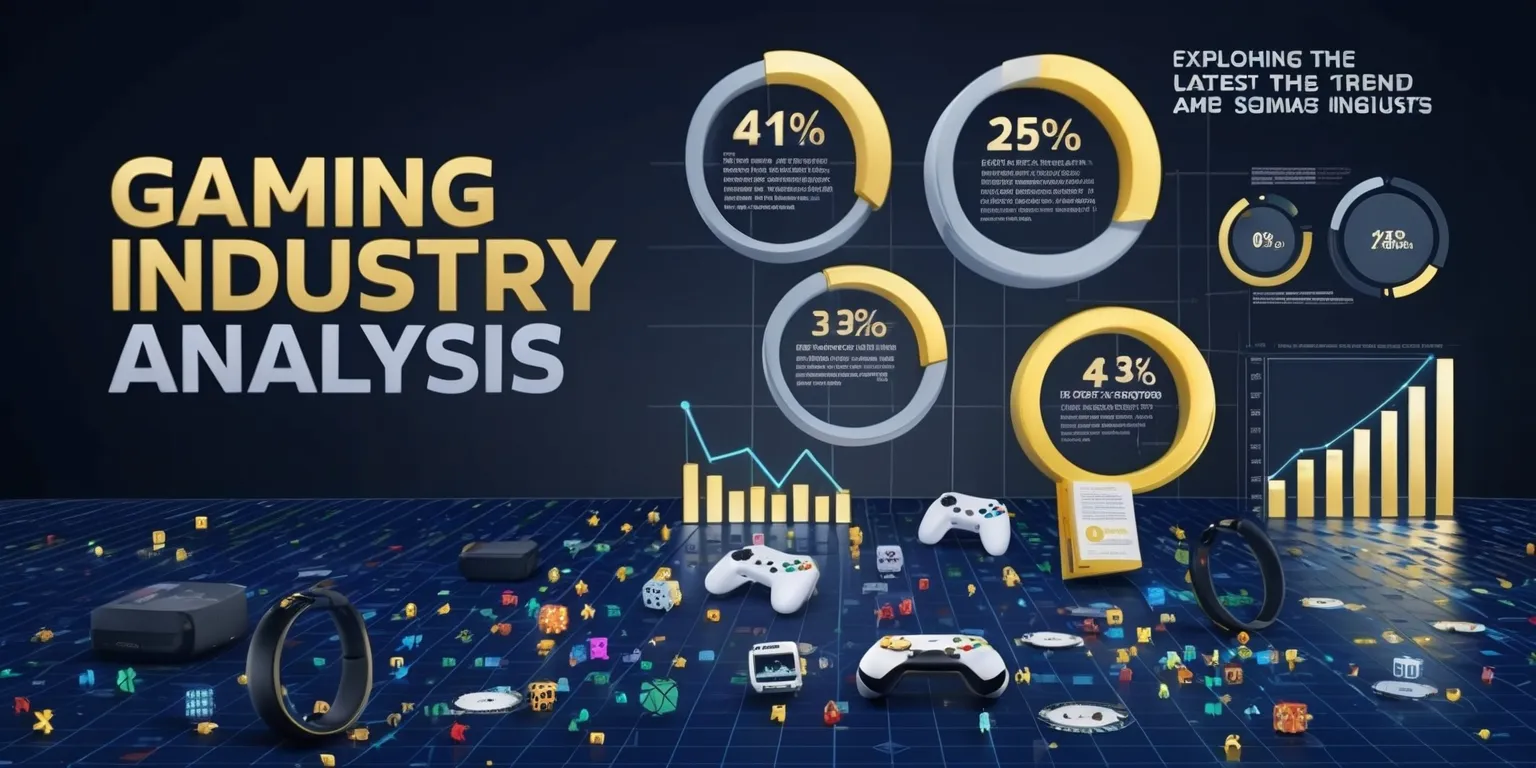
Key partnerships have become instrumental in defining the next steps for many major gaming firms. Recent arrangements with renowned silicon experts and innovative peripherals companies point to an industry that is rapidly expanding its horizons. The ongoing collaboration with major chip designers is not only about refining the inner workings of future devices but also about ensuring that the hardware stands apart in its technical prowess and adaptability. Complementing these efforts is the incipient collaboration with manufacturers of portable devices, ensuring a presence in both stationary and mobile gaming arenas. This dual strategy hints at a future where devices might not be strictly confined to living room consoles, but could also become versatile, portable gaming partners that redefine convenience, connectivity, and immediately responsive gameplay.
Innovative Production Approaches
A notable shift in production philosophy has emerged as the industry strives to harmonize established customs with emerging innovations radical innovation. The ripple effects of previous shifts are palpable, as production teams work to build hardware that not only meets current gaming demands but also anticipates future trends. There is an emphasis on incorporating state-of-the-art processing power with enhanced graphical capabilities, while also streamlining manufacturing processes so that customization and scalability remain key elements. Technology developers are rethinking the production line to ensure that every device delivers a leap forward in both technical performance and ergonomic design. This approach also addresses a broader industry trend of offering more personalized gaming experiences, with improvements ranging from intuitive user interfaces to immersive, visually refined aesthetics that respond dynamically to player inputs.
Market Standardization and Platform Convergence
Industry leaders have long debated the potential benefits of standardizing gaming platforms, suggesting that a unified approach could drive broader consumer acceptance and enhance overall market growth. The idea here is to adopt a universal approach to hardware which, much like the evolution seen in media formats over decades, could lower entry barriers for both developers and consumers alike. Advocates of this approach believe that moving away from proprietary systems toward a more open format would not only democratize game development but also foster an ecosystem where content quality drives competition, rather than the hardware alone. Evidence of such convergence is emerging, with some key industry insiders hinting at standardized components and common development platforms that could eventually bridge the gap between various device types. This could lead to a richer, more diversified marketplace that benefits everyone involved.
Global Content and Cross-Platform Expansion
The push toward embracing broader distribution channels is contributing to an interconnected ecosystem where content is accessible regardless of the hardware being used. With an emphasis on bringing flagship titles to multiple platforms, strategic decisions are being made that could dramatically increase the reach of games originally developed for specific consoles. This shift underlines a trend where financial and creative success is increasingly linked to the ability to provide near-seamless service through various devices. The strategy not only emphasizes multimedia delivery and cross-device synchronization but also reinforces the importance of investing more robustly in cloud-based technologies. Such measures ensure that a The gaming experience remains reliably immersive and engaging, regardless of any circumstance whether it is accessed via living room hubs or portable devices, thereby fueling overall market growth and diversification in the industry.
Evolving Business Models in Gaming
Changing market dynamics continue to drive significant shifts in the business models traditionally followed by leading gaming companies. The focus has gradually moved away from a sole emphasis on hardware sales, expanding instead to include innovative approaches centered on game distribution and content monetization. This evolution involves partnerships that extend the breadth of where games can be played, as well as a redefined relationship between hardware performance and software flexibility. The shift functions as a reaction to rising consumer expectations and competitive pressures in a rapidly changing global market. This emerging model is built on a foundation where adaptability, innovation, and evolving monetization strategies play critical roles in defining long-term business success. The new business landscape demands that companies balance cutting-edge technology with profitable, sustainable practices that cater to an increasingly diverse audience.
The Influence of Past Experiences
Many seasoned industry observers find valuable lessons in the historical trajectory of gaming companies that once dominated the scene with pioneering consoles. These historical instances have left an indelible mark, with legendary systems serving as benchmarks for innovative design, user engagement, and technical performance. Such reflections have shaped current debates regarding future directions in hardware development. Insights drawn from these experiences underscore the importance of evolving with changing market trends while still retaining the essence that originally drove fan engagement. They urge companies to learn from the past without repeating old mistakes, aiming instead to refine the aspects of performance, aesthetics, and versatility that once set them apart. This lead time provided by historical perspective continues to influence design philosophies and strategic decisions in today’s competitive climate.
Technological Leaps and Industry Response
Advanced technological innovations have begun to reshape the gaming landscape in profound ways, eliciting varied responses from within the industry. With promises of breakthroughs that offer unprecedented levels of performance, the focus has shifted toward integrating next-generation technologies into the gaming experience. Industry insiders have noted that the momentum behind graphics enhancements, faster processors, and connectivity improvements suggests a potential redefinition of what a home console could be. Developers and hardware engineers are experimenting with designs that may blur the lines between traditional consoles and versatile PCs. This prospect has led to discussions around enhanced development platforms and more accessible user interfaces that leverage the full power of these exciting advancements. While some see these changes as the culmination of decades of innovation, others are keenly anticipating just how far the industry will push the boundaries of interactive entertainment.